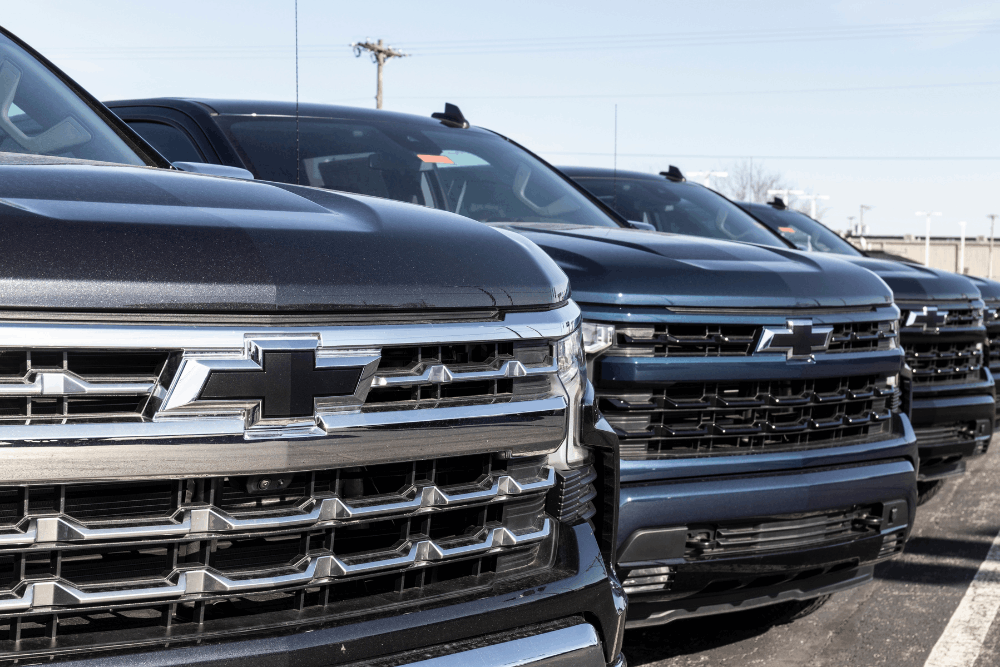
If your Chevy Silverado, Tahoe, Suburban, or Sierra has been ticking, misfiring, or throwing a check engine light, the culprit might be hiding inside your engine. Displacement On Demand (DOD) lifter failure is one of the most common and costly engine problems affecting Chevy 5.3, 6.0, and 6.2 V8 engines.
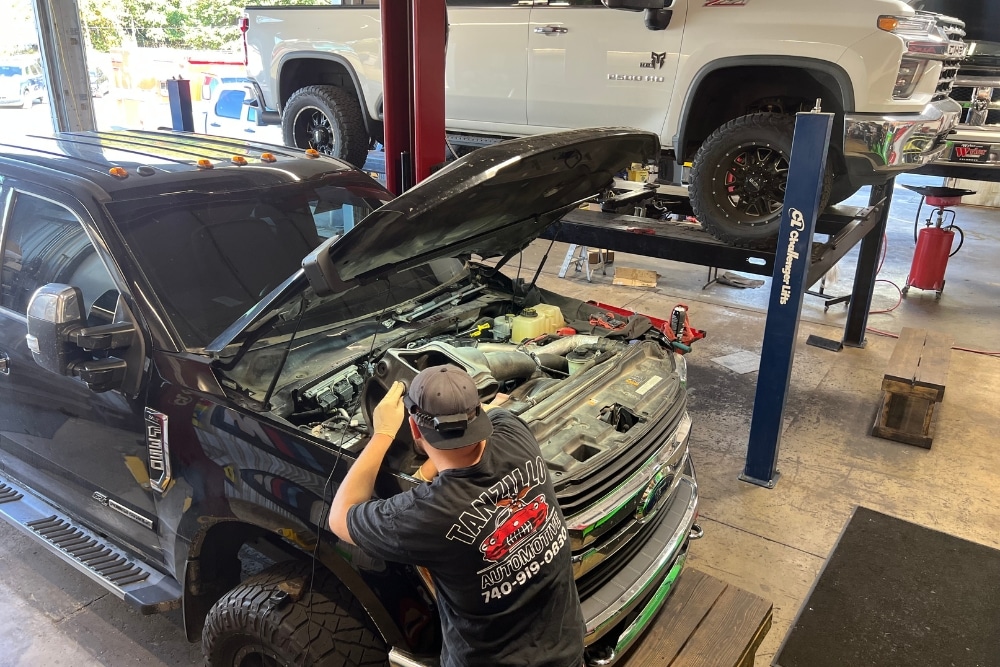
At Tanzillo Automotive in Pataskala, OH, we diagnose and repair DOD lifter issues with the kind of hands-on engine expertise that business owners and everyday drivers in Licking County have come to rely on. Whether you’re looking at an upgraded lifter replacement or a full DOD delete kit, this guide will walk you through everything you need to know before you make a decision.
What Is Displacement On Demand (DOD) and How Does It Work?
General Motors introduced Displacement On Demand technology in its V8 engines to improve fuel economy. The idea is clever in theory: under light driving conditions, the engine deactivates four of its eight cylinders, reducing fuel consumption without sacrificing comfort.
How DOD Lifters Function
DOD lifters are hydraulic lifters with internal locking pins that respond to changes in oil pressure. When the engine control module signals the system to deactivate certain cylinders, oil pressure shifts the locking pins inside the lifter, collapsing it so the valve stays closed. When you demand more power, the pins re-engage, and all eight cylinders fire again.
The problem is that this on-and-off cycling, combined with GM’s relatively tight oil passages and sensitivity to oil quality, creates a recipe for premature wear. Over time, the locking pins stick, the lifter collapses when it shouldn’t, and the damage begins to spread.
Why DOD Lifters Fail in Chevy V8 Engines
DOD lifters are not poorly made because they are inherently weak; they fail because the design demands a lot from engine oil. Several factors accelerate the process:
Oil Sludge and Poor Oil Maintenance
If oil changes are delayed or the wrong viscosity is used, sludge builds up inside the oil passages that feed the DOD lifters. Once those passages are restricted, the locking pins don’t receive the oil pressure they need to engage and disengage properly. The lifter gets stuck in a collapsed position, and from that point forward, damage accumulates with every mile driven.
Internal Locking Pin Failure
Even in engines that receive proper maintenance, the locking pin design itself has a documented history of failure. The pins can stick, shear, or break apart entirely. When that happens, metal debris circulates through the oiling system, putting your camshaft and other engine components at risk.
Camshaft Damage: The Hidden Danger of Delayed Repairs
This is where the situation gets expensive. A failing DOD lifter doesn’t just cause noise or rough idle on its own. When a lifter collapses or sticks, it stops riding the camshaft lobe properly. The irregular contact grinds down the camshaft lobe over time, turning what could have been a $1,500 to $2,500 lifter job into a full camshaft replacement or, in severe cases, a complete engine rebuild. The ticking you’re hearing is your engine’s way of asking for help before things get worse.
Costs vary depending on the extent of the damage and the repair path chosen. Visit Tanzillo Automotive for an accurate estimate on your specific vehicle.
Symptoms of DOD Lifter Failure in Chevy 5.3, 6.0, and 6.2 V8 Engines
Knowing the warning signs early gives you options. Here’s what to watch for:
Engine Tick or Tapping Noise
A distinct metallic ticking, especially noticeable at idle or cold start, is one of the first signs. The noise may quiet down as the engine warms up, which causes many drivers to ignore it. Don’t.
Misfire Codes and Rough Idle
When a lifter collapses and a cylinder stops firing correctly, the engine runs rough and the check engine light comes on. Common codes include P0300 (random misfire), along with cylinder-specific misfire codes like P0301 through P0308. If you’re seeing multiple misfire codes without a clear ignition or fuel cause, the lifters deserve a hard look.
Check Engine Light and Reduced Power Mode
Some GM vehicles will enter reduced power mode when the ECM detects significant misfires. You may notice a lack of acceleration, hesitation under load, or a noticeable change in how the engine responds. This is not something to drive through.
Excessive Oil Consumption
Stuck or damaged lifters can contribute to oil being burned off faster than normal. If you’re adding oil between changes, that’s worth mentioning when you bring the vehicle in for diagnostics.
DOD Lifter Replacement vs. DOD Delete: What's the Right Call for Pataskala Drivers?
If you’ve confirmed a DOD lifter problem, you have two main repair paths. Choosing the right one depends on how many lifters are affected, whether the camshaft is damaged, and how long you plan to keep the vehicle.
Upgraded Lifter Replacement
If the camshaft is still in good shape and only a handful of lifters have failed, replacing the faulty lifters with upgraded aftermarket units is a valid option. Higher-quality lifters with improved locking pin designs can outperform the original GM parts in many cases. This repair addresses the immediate problem without requiring a full system overhaul.
DOD Delete Kit
A DOD delete eliminates the problem at its source by removing the displacement on demand system entirely. The DOD lifters are swapped out for solid, non-collapsing lifters, the DOD solenoids are removed or blocked, and the engine control module is reprogrammed to run all eight cylinders all the time. You lose a small amount of fuel economy, but you gain long-term reliability and eliminate the risk of repeat lifter failure. For trucks and SUVs that see heavy use, towing, or high mileage, a DOD delete is often the smarter long-term investment.
The right answer depends on your specific situation. Our technicians will give you an honest assessment based on what your engine actually needs, not what costs the most.
Ready to stop guessing what that tick is? Call Tanzillo Automotive at 740-919-0830 or visit us at 8282 National Rd SW, Pataskala, OH 43062 to schedule a diagnostic appointment. We serve drivers across Pataskala, Reynoldsburg, Etna, Johnstown, Newark, and Heath.
Why Pataskala Drivers Trust Tanzillo Automotive for Engine Repair
When it comes to engine diagnostics and repair, credentials matter. DOD lifter diagnosis is not a guess-and-replace job. It requires the right tools and the knowledge to interpret what the data is telling you.
Our technicians are trained to work on all makes and models, and our certifications reflect that level of expertise across the board.
- Our team includes multiple Ford Senior Master Technicians, Ford ASSET graduates, and ASE-certified technicians with college-level automotive training
- One of our technicians was a finalist in a national automotive skills competition
- We use Autel diagnostic scanners and oscilloscopes to go beyond generic code reads and pinpoint the actual source of engine problems
- Every repair is backed by a 2-year/24,000-mile or 3-year/36,000-mile warranty through NAPA and TechNet, depending on the repair
- We offer early bird drop-off, online payment, and text-to-pay for your convenience
We work on Chevy, GMC, Ford, Chrysler, and more. Cars and trucks, daily drivers and work vehicles.
FAQs About Chevy V8 DOD Lifter Issues and Repair
What is DOD or AFM on a Chevy V8 engine?
DOD (Displacement On Demand) and AFM (Active Fuel Management) are the same GM technology that deactivates four cylinders during light driving to save fuel. While effective in theory, these systems are known to cause lifter failures in 5.3, 6.0, and 6.2 V8 engines over time.
What are the symptoms of Chevy 5.3 lifter failure?
Common symptoms include a metallic ticking noise at idle, rough engine performance, misfire codes like P0300, and an illuminated check engine light. In some cases, increased oil consumption and reduced engine power are also signs of a failing lifter.
Can bad DOD lifters damage the camshaft?
Yes. A collapsed or stuck DOD lifter can wear down camshaft lobes due to improper contact, leading to significantly more expensive repairs. Catching lifter issues early is critical to preventing camshaft damage and a potential full engine rebuild.
Should I replace lifters or install a DOD delete kit?
If the camshaft is undamaged and only a few lifters have failed, upgraded lifter replacement may be sufficient. A DOD delete kit is often the better long-term solution for high-mileage trucks or vehicles used for work and towing, as it eliminates the root cause of the problem entirely.
Where can I get Chevy DOD lifter repair in Pataskala, OH?
Pataskala drivers dealing with DOD lifter issues can find expert engine diagnostics and repair at a certified local shop equipped with advanced diagnostic tools. Tanzillo Automotive on National Rd SW serves drivers throughout Licking County and surrounding areas.
Schedule Your V8 Engine Lifter Repair in Pataskala, OH Today!
If your Chevy V8 is ticking, misfiring, or losing power, don’t wait for the damage to get worse. DOD lifter problems are fixable, but the window for a less expensive repair closes quickly once camshaft damage sets in. Tanzillo Automotive is here to give you a straight answer and a lasting fix.
Visit us at 8282 National Rd SW, Pataskala, OH 43062, or call 740-919-0830 to book your appointment. We’re proud to serve drivers in Pataskala, Reynoldsburg, Etna, Johnstown, Newark, Heath, and throughout Licking County.